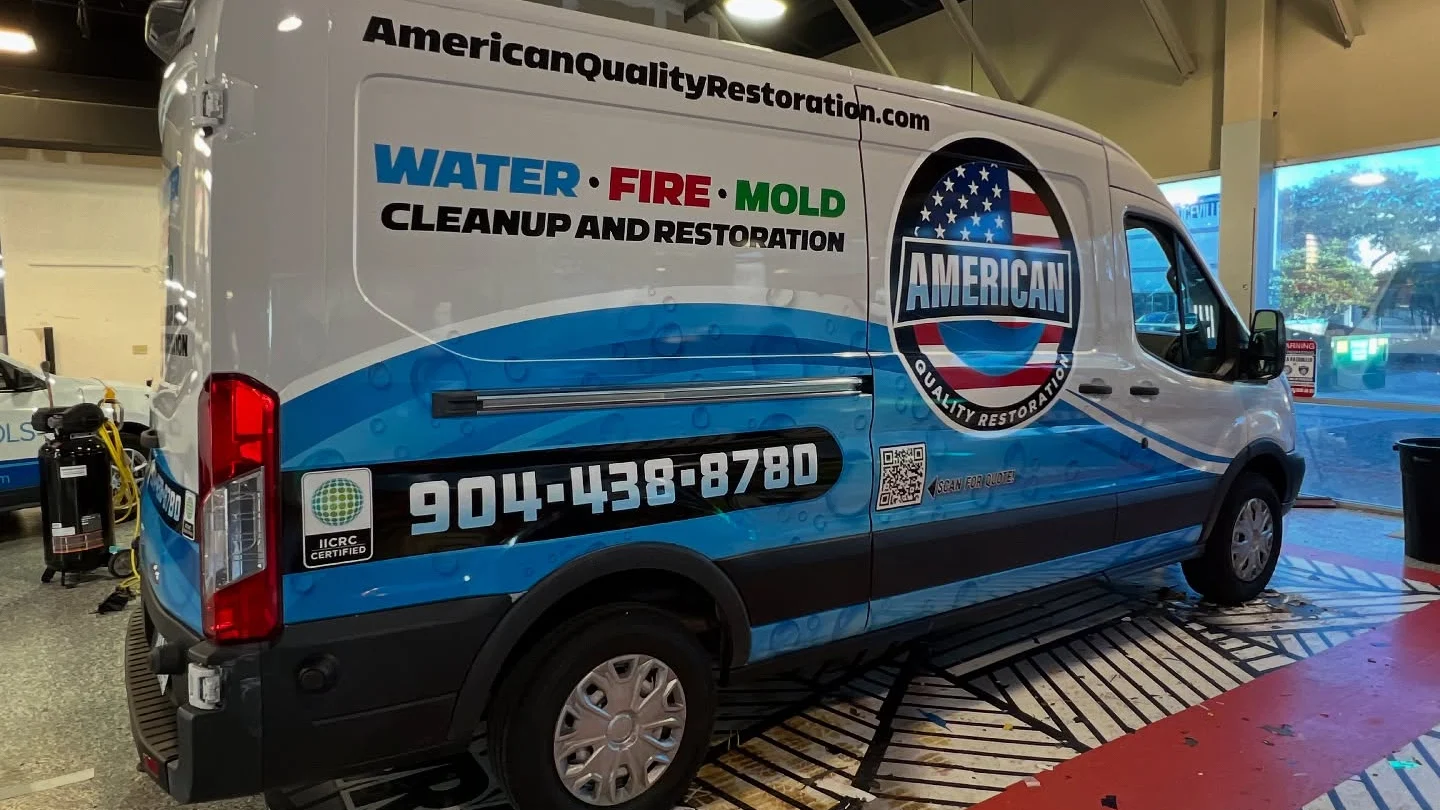
If you’re trying to figure out how to choose a restoration company in Jacksonville without getting burned, the short answer is this: verify licensing and insurance before anyone sets foot in your home, get the scope of work in writing before signing anything, and never sign a document that hands over control of your insurance claim to the contractor. Water, fire, and mold damage put homeowners under time pressure, and some companies count on that pressure to rush you past the questions that actually protect you. Slowing down by even fifteen minutes to check a few things can save you weeks of disputes later.
Why This Decision Gets Rushed
A burst pipe, a kitchen fire, or a musty smell behind the baseboards doesn’t wait for a convenient afternoon. Jacksonville’s humidity and heavy summer rain mean water intrusion can turn into visible mold growth within 24 to 48 hours, so homeowners often call the first number that shows up in a search or on a storm-chasing door hanger. That urgency is real, but it’s also exactly the window where corners get cut: vague estimates, verbal-only agreements, or a crew that starts demolition before an adjuster has even seen the damage.
The fix isn’t to wait longer. It’s to ask a handful of specific questions while the phone is still in your hand.
Questions to Ask Before You Sign Anything
- Are you licensed and insured in Florida, and can I see proof? A legitimate company will send documentation without hesitation. Hesitation is itself an answer.
- Who will be on-site, and what certifications do they hold? Water damage drying, fire and smoke cleanup, and mold remediation each require different technical knowledge. Ask specifically whether the technicians handling your job hold IICRC training in that category, such as water restoration (WRT), fire and smoke (FSRT), structural drying (ASD), or mold remediation (AMRT).
- Will you bill my insurance directly, or do I pay out of pocket first? Either model is fine, but you need to know which one you’re agreeing to before work starts.
- Can I get a written scope of work before demolition begins? This protects you if the final bill doesn’t match what was verbally promised.
- Do you use moisture meters and document drying progress? A company that just “runs fans for a few days” without measuring moisture content in the materials is guessing, not restoring.
- What happens if hidden damage is found once walls or flooring are opened up? You want a process for additional scope, not a surprise invoice.
If a company dodges two or more of these, that’s a signal to call someone else.
Red Flags That Should Make You Pause
- Pressure to sign an insurance “Assignment of Benefits” (AOB) immediately, especially before any inspection has happened. An AOB can sign away your right to negotiate with your own insurer. Read it fully, or have someone else read it, before you sign.
- No local address or a P.O. box only. Storm season brings traveling crews into Northeast Florida who are gone before warranty issues surface.
- Estimates that are suspiciously vague (“water mitigation: $4,500”) with no line items for equipment, labor hours, or materials removed.
- A rush to start demolition before your insurance adjuster has inspected the loss, unless the damage is actively getting worse and documentation (photos, moisture readings) is being collected along the way.
- No explanation of drying standards. Reputable technicians reference the IICRC S500 standard for water damage or S520 for mold, even if they don’t use those exact terms with you. If nobody can explain how they’ll verify the structure is actually dry, not just “looks dry,” that’s worth questioning.
What a Trustworthy Process Looks Like
A sound restoration job in Jacksonville, whether it’s water damage restoration, fire damage restoration, or mold remediation, tends to follow a similar shape:
Assessment first. Moisture mapping for water losses, soot and smoke pattern evaluation for fire losses, or visual inspection and sometimes air/surface sampling for suspected mold. This step produces the documentation your insurance claim will lean on.
A written scope before major work begins. You should know roughly what materials are being removed, what equipment is being placed, and how long the company expects drying or cleanup to take.
Monitoring, not guessing. For water damage specifically, technicians should be checking moisture content in affected materials every day or two, not just leaving equipment running and hoping for the best. Older Jacksonville homes, especially those built before the 1980s with plaster walls or cast iron plumbing, can hide moisture in ways newer construction doesn’t, so this step matters more than people expect.
Clear hand-off at the end. You should get documentation showing the structure reached acceptable dryness standards, or that smoke residue and odor were addressed to a verifiable point, before the job is called complete.
When to Call a Professional vs. Handle It Yourself
Small, contained issues, a dropped glass of water on hardwood, a single damp spot from a window left open during a storm, can usually be dried with fans and a dehumidifier you already own if you catch it within a few hours. Call a professional when:
- Water has been sitting for more than 24 hours, or you can’t tell how far it’s traveled under flooring or behind walls.
- There’s any smoke or fire damage beyond the surface of a single small item.
- You notice a musty odor, visible spotting, or discoloration that keeps coming back after cleaning.
- The water source was contaminated (a sewage backup, floodwater, or an appliance leak that’s been going for days).
- Your insurance company is requiring documentation you don’t know how to produce yourself.
In those situations, the cost of a professional assessment is almost always smaller than the cost of damage that spreads because it wasn’t caught early.
If you’re currently sorting through a water, fire, or mold situation in Jacksonville and want a second opinion before you commit to a contractor, American Quality Restoration can walk through what you’re seeing and explain what the next step should look like. Call (904) 438-8780 to talk through your specific situation.