If you can see mold or smell that musty, damp-basement odor, you already have your answer: you have mold, and the question is how much and where it’s spreading, not whether it exists. A DIY test kit can confirm what species is growing on a visible patch, but it can’t tell you if mold is colonizing inside your walls, under flooring, or in your HVAC system. A professional mold inspection uses moisture meters, thermal imaging, and air sampling to find what’s hidden and measure how far it’s traveled. For a quick, visible spot, a kit might satisfy your curiosity. For anything tied to a past leak, a musty smell with no visible source, or health symptoms that improve when you leave the house, you need an inspection, not a kit.
When a DIY Kit Is Actually Useful
DIY mold test kits (the petri-dish or swab-and-mail varieties sold at hardware stores) have a narrow but real use case. If you have a visible spot of discoloration on drywall, grout, or wood trim and you want to confirm it’s actually mold and not just dirt, mildew staining, or a water stain, a swab test can give you that confirmation in a few days.
What a kit won’t tell you:
- Whether mold is growing behind that same wall, under the subfloor, or inside the HVAC ductwork
- How extensive the colonization is
- Whether airborne spore counts in your living space are elevated compared to outdoor air
- What’s feeding the growth (an active leak, chronic humidity, or a one-time event that’s since dried out)
In Jacksonville’s climate, with outdoor humidity regularly sitting above 80% for months at a time, a lot of homes have some level of background mold spores in the air no matter what. A surface swab doesn’t account for that baseline, so a positive result on a kit doesn’t always mean you have a problem worth remediating, and a negative result on one spot doesn’t mean the rest of the house is clear.
What a Professional Mold Inspection Actually Checks
A proper mold inspection and testing visit starts with a visual and moisture survey, not a swab. A technician walks the property with a moisture meter, checking walls, flooring, and ceilings near any known or suspected water intrusion: a past roof leak, a slow plumbing drip, a window that’s let rain in during a storm, or a crawlspace with poor ventilation.
From there, the inspection typically includes:
- Moisture mapping. Pinless and pin-type meters identify elevated moisture readings in materials that look dry on the surface, which is common in older Jacksonville homes with plaster or board sheathing that can hold water well after the surface has dried.
- Thermal imaging. An infrared camera can flag temperature differences in a wall or ceiling that often correspond to trapped moisture, without opening anything up.
- Air sampling. A technician collects air samples from inside the home and compares spore counts and types to a control sample taken outdoors, which is the only reliable way to know if indoor air quality is actually elevated relative to baseline.
- Surface sampling, when there’s a visible colony, to identify the species and confirm the extent of growth.
- A written report with lab results, which matters if you’re dealing with an insurance claim, a real estate transaction, or a landlord-tenant dispute.
This is the kind of detail a $15 kit from a hardware store simply isn’t built to capture, because it’s answering a different question: “is this mold,” versus “how much mold, where, and why.”
What NOT to Do While You’re Deciding
- Don’t paint or caulk over a visible spot before testing it. Once it’s sealed under paint, you’ve lost the chance to confirm what it was and whether it’s spread underneath.
- Don’t run a kit and assume a clean result means the house is fine, especially if you’ve had a recent leak, flooding, or a musty smell that comes and goes with humidity.
- Don’t disturb a large colony (more than roughly a square yard) yourself. Scrubbing, sanding, or ripping out moldy drywall without containment can aerosolize spores and spread them into rooms that were previously unaffected.
- Don’t rely on bleach as a long-term fix on porous materials like drywall or wood framing. Bleach can kill surface mold and still leave the root structure intact in a porous material, so the growth often returns within weeks.
- Don’t ignore the moisture source even if you clean up the visible mold. If the underlying leak, humidity, or ventilation issue isn’t addressed, mold will come back on the same timeline it grew the first time, which can be as fast as 24 to 48 hours of sustained dampness.
When to Call a Professional Instead of Testing Yourself
Call for an inspection rather than reaching for a kit if any of these apply:
- You’ve had a water intrusion (a slow leak, a storm-damaged roof, a past flood) in the last year, even if it was cleaned up at the time
- You smell a persistent musty odor but can’t locate a visible source
- Visible growth covers more than a small patch, or keeps returning after you’ve cleaned it
- Someone in the home has respiratory symptoms, allergy flare-ups, or other health concerns that seem tied to being indoors
- You’re buying or selling a home and need documentation for a transaction
- You’re filing an insurance claim and need a professional report to support it
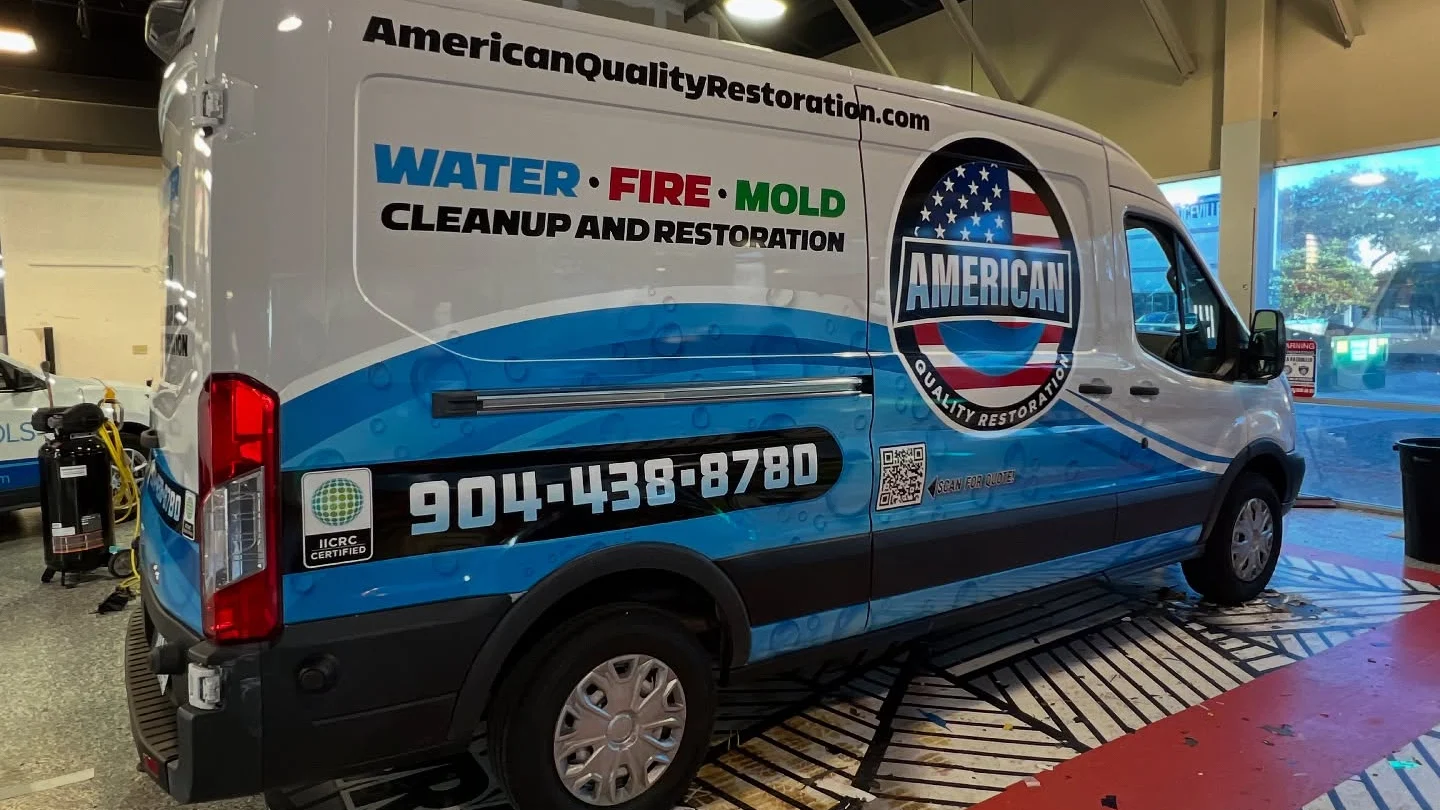
American Quality Restoration’s technicians hold IICRC mold remediation (AMRT) certification, and our mold inspection and testing process is built around finding the moisture source first, since that’s what actually determines whether remediation will hold. If testing confirms a problem that needs remediation, that’s a separate, scoped project: containment, removal of affected materials, HEPA filtration, and drying the structure back to a normal moisture range.
What Happens After a Positive Test
If an inspection confirms elevated spore counts or active colonization, the next step is remediation, not just cleaning. That typically means isolating the affected area with physical containment and negative air pressure, removing porous materials that can’t be fully cleaned (like water-damaged drywall or insulation), HEPA-vacuuming and treating salvageable surfaces, and running air scrubbers and dehumidifiers until a post-remediation verification test confirms spore counts are back to a normal range. The timeline depends heavily on how far the growth has spread and whether the moisture source (a roof leak, a plumbing failure, chronic crawlspace humidity) has been fixed, since remediation done before the source is addressed rarely holds.
If you’re staring at a stain, a smell, or a damp spot and trying to decide which path makes sense, a conversation is a reasonable first step before you spend money either way. American Quality Restoration serves Jacksonville, Jacksonville Beach, Orange Park, Ponte Vedra Beach, Atlantic Beach, Neptune Beach, Fleming Island, and Fruit Cove, and you can reach us at (904) 438-8780 to talk through what you’re seeing before deciding between a kit and a full inspection.