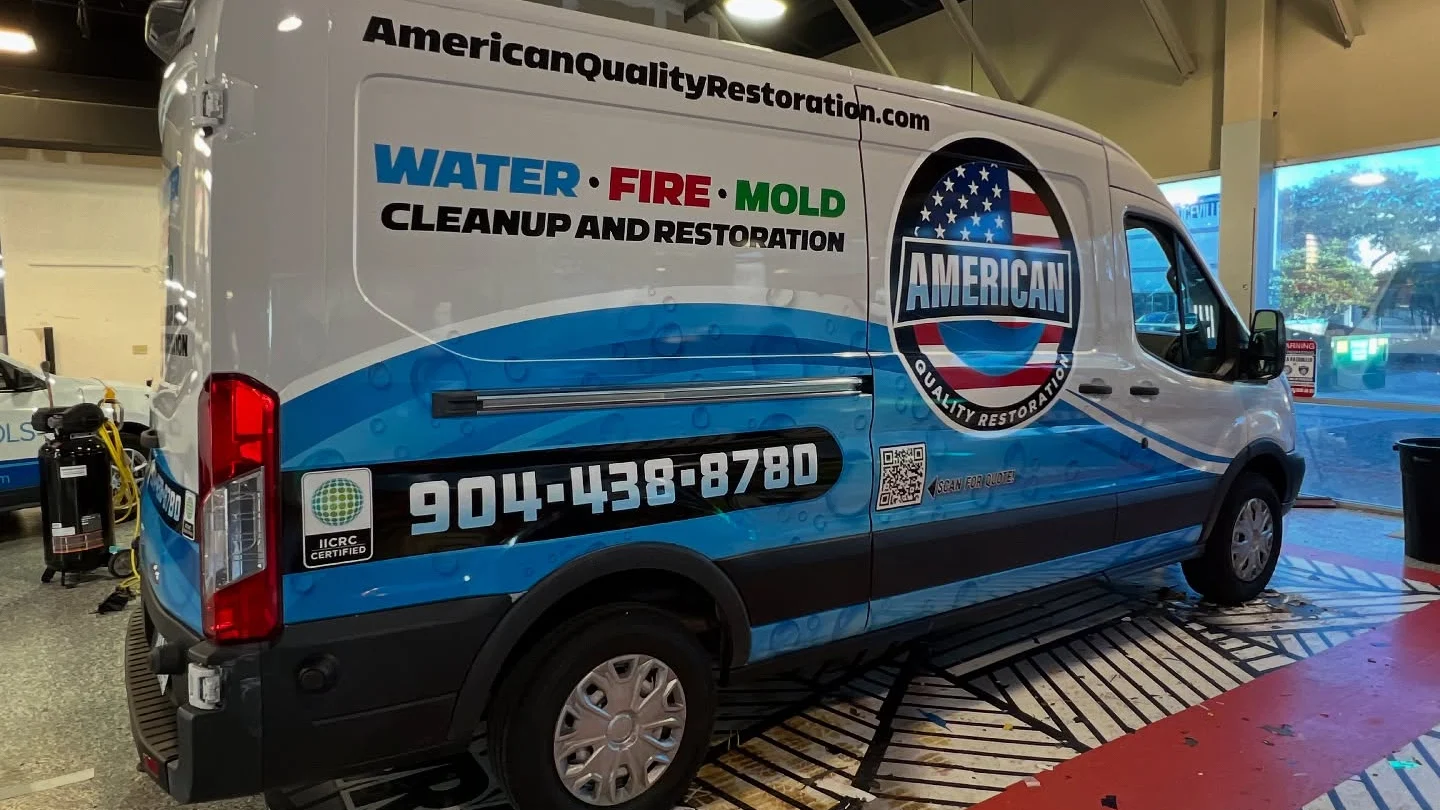
24/7 Emergency Storm Damage Restoration in Jacksonville
24/7 emergency storm damage restoration in Jacksonville and surrounding areas. IICRC-certified technicians, insurance billing accepted. Call (904) 438-8780.
Storm damage emergency in Jacksonville? We answer 24/7 at (904) 438-8780. A downed oak limb through a roof deck, wind-driven rain forced under shingles during a tropical system, or a tornado spin-off that peels back a section of fascia all create the same ticking clock: every hour water sits in insulation, drywall, and subfloor, the repair bill climbs and mold colonization moves closer. Storm damage restoration is about stopping that clock first, then documenting and drying the structure properly so the claim and the repair both hold up.
What Storm Damage Restoration actually involves
Storm damage restoration covers the structural side of a severe weather event: wind-driven water intrusion through roofing, siding, or window flashing; tree limb or trunk impact that breaches the envelope; and the saturated insulation, drywall, and flooring that follow. It is not the same as a plumbing leak. Storm losses usually involve an open path to outside air, which means wind, rain, and sometimes debris are still a factor while crews work. Our technicians hold IICRC WRT and ASD certifications, which cover the water-side drying once the structure is sealed, and we coordinate board-up and tarping separately to close the envelope fast. Equipment on a typical storm job includes tarping and plywood for the opening, extraction units for standing water, and the same air movers and dehumidifiers used in structural drying, run and logged per the IICRC S500 standard. A single-room wind intrusion might dry out in two to three days; a multi-room event with saturated insulation and subfloor often runs a week or more of monitored drying.
Our process
- Stabilize the envelope. Before anything else, the opening that let weather in gets tarped or boarded so wind and rain stop entering while the rest of the work happens.
- Document the loss. Photos, moisture readings, and a written scope are recorded before materials are removed, which is what the insurance adjuster will want to see later.
- Extract and remove saturated materials. Standing water gets pulled first, then insulation, drywall, or flooring that can’t be dried in place comes out to prevent trapped moisture from turning into a secondary mold problem.
- Dry and monitor. Air movers and dehumidifiers are set per the affected square footage, and moisture content in framing and subfloor is checked daily until it reads dry, not just dry to the touch.
- Hand off for repair. Once the structure is dry and documented, we provide the scope for reconstruction so roofing, drywall, or flooring repairs can move forward without re-trapping moisture behind new materials.
What separates a good storm damage response from a bad one
The most common mistake after a storm isn’t drying, it’s sequencing. Crews that tarp a roof but skip moisture readings on the attic insulation and ceiling drywall below it often leave hidden saturation that surfaces as a stain or odor two weeks later. Adjusters look for dated photos of the opening before it was covered, moisture logs showing the drying timeline, and a clear line between storm-caused damage and any pre-existing issue, since insurers will push back on claims that blend the two. Another frequent miss is treating wind-driven rain like a simple roof leak: water pushed sideways under shingles during a storm often tracks laterally along the decking and shows up in a wall or ceiling several feet from where the opening actually was, so a narrow inspection focused only on the visible leak point misses the real extent of the wet material.
What does Storm Damage Restoration cost?
Every storm loss is different depending on how much of the envelope was breached, how long water had to sit, and how many rooms or floors were affected, which is why American Quality Restoration provides a written scope before any work begins rather than a flat rate over the phone. Homeowners insurance typically covers sudden storm damage, including wind and tree impact, under most standard policies, though flood-driven water from rising ground water is usually a separate flood policy matter. Typical industry ranges for storm-related cleanup and drying look like this:
| Scenario | Typical range |
|---|---|
| Emergency tarp or board-up only | $300 - $1,500 |
| Single room, wind-driven water intrusion | $1,200 - $3,800 |
| Tree limb through roof, localized drying | $3,500 - $9,000 |
| Multi-room water intrusion with insulation removal | $6,000 - $18,000 |
| Large loss, structural compromise across multiple areas | $20,000+ |
Seasonal & regional considerations
Jacksonville’s storm risk runs heaviest from June through November, when tropical systems move through Northeast Florida and bring sustained wind-driven rain rather than a single hard downpour. Older neighborhoods with original 1960s and 70s roof decking tend to show wind damage faster than homes with newer roofing underlayment, and the sandy soil common across the area drains quickly once the envelope is sealed, which helps drying times once a tarp is in place. Afternoon thunderstorms outside hurricane season can still drive isolated wind damage and tree impact, so storm response here isn’t limited to named storms.
Service area
We respond to storm damage throughout Jacksonville, Jacksonville Beach, Orange Park, Ponte Vedra Beach, Atlantic Beach, Neptune Beach, Fleming Island, and Fruit Cove.
If wind or a fallen tree has opened up your roof or siding, the priority is getting that opening covered before the next band of rain arrives. Call (904) 438-8780 to start emergency board-up and storm damage drying.
Frequently Asked Questions
Does homeowners insurance cover storm damage restoration?
Why does a roof tarp need to go on before drying equipment is set up?
Can wind-driven rain cause damage far from where the roof or siding was breached?
How long does structural drying take after a storm?
What should I do with damaged tree debris before you arrive?
Looking for the best storm damage restoration company in Jacksonville?
American Quality Restoration provides licensed and insured storm damage restoration in Jacksonville, FL and the surrounding area, and has served local property owners since 2021. Customers rate us 5.0 out of 5 stars across 62 Google reviews. We answer calls 24/7 — call (904) 438-8780 for immediate help.
Need Storm Damage Restoration now?
We respond 24/7 across Jacksonville and surrounding FL cities.